
UGC video ads for skincare products
People buy skincare on how it feels and where it fits in a routine they already have: the texture on a fingertip, how fast it sinks in, whether it pills under makeup. A shopper can only judge those things by watching someone use it, which is why skincare ads succeed or fail on the application shot.
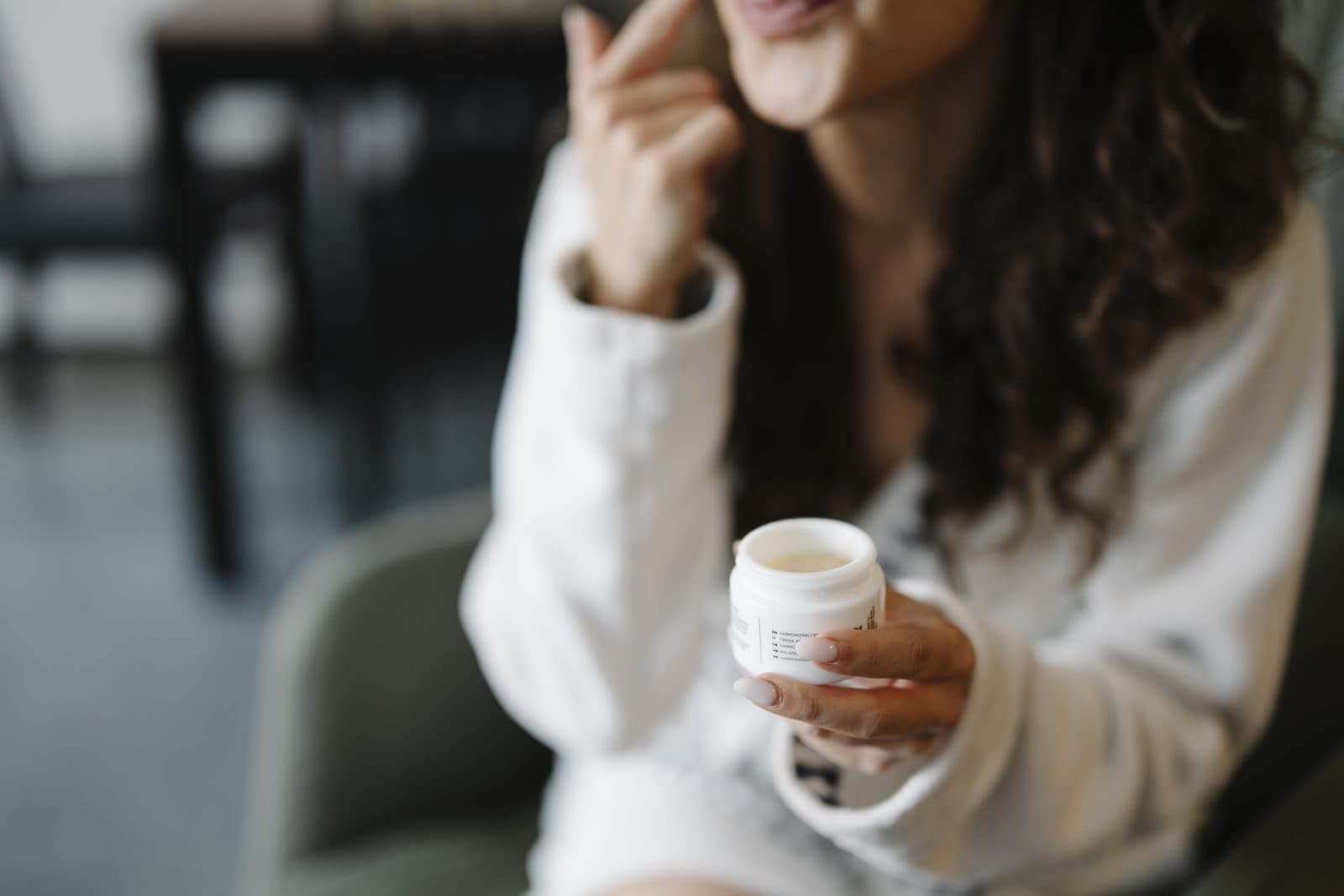
Why skincare products sell better on video
A product photo shows a jar and a label. A person on camera can pump it onto the back of the hand, spread it, show whether skin looks dewy, matte or greasy a minute later, and say exactly where it sits in a morning or night routine.
6 hooks for the first two seconds
- Does your moisturizer pill the second you put sunscreen over it?
- I'll be honest, I used to skip moisturizer because everything felt sticky.
- Watch how fast this one disappears into my skin.
- I know, another cleanser. But this one doesn't leave that tight, squeaky feeling.
- My old night cream next to this one. Look at the difference in texture.
- Three steps, ninety seconds. This is my whole morning routine.
Ad angles that work for skincare products
Texture first
Open on a close-up of the product on a fingertip or the back of the hand, then spread it. Have the presenter name the feel in plain words like gel, whipped, oil or balm, because texture is the first question every skincare shopper has.
Where it fits in the routine
Show exactly where the product goes: after cleansing, before sunscreen, nights only. Shoppers with a crowded shelf want to know what it replaces or where it slots in, not another vague promise.
Skin type callout
Have the presenter state their skin type in the first line (oily, dry, combination, sensitive) and speak to people like them. Run separate creatives per skin type instead of one ad trying to please everyone.
Under makeup test
Apply the product, then sunscreen or foundation on top, and show it doesn't pill or slide. It answers a practical worry and gives a visual payoff within a few seconds.
Shots to film
- Pump or scoop onto a fingertip in macro, showing the texture
- Product spread across the back of the hand in window light
- Face application in a bathroom mirror, cheek to jaw
- Side angle of the skin finish one minute after application
- The product placed into the presenter's routine lineup on a bathroom shelf
A 15 second script
- Hook (0-2s): If your moisturizer feels heavy by noon, watch this.
- Problem (2-5s): I have combination skin, and most creams made my T-zone shiny before lunch.
- Demo (5-11s): This is a light gel cream. One pump, it spreads thin, sinks in, and my sunscreen goes right over it without pilling.
- Call to action (11-15s): If you want hydration that doesn't feel like a layer, tap the link and pick your size.
Platform notes
TikTok: Bathroom mirror, natural light, talking straight to camera while applying. Say the skin type in the first line and keep on-screen text short.
Instagram Reels: Bright, clean framing works well here. Lead with the texture macro in the first second and keep the cut under 20 seconds.
Meta feed ads: Many viewers watch muted, so burn in captions and put the texture shot early. A 4:5 frame gives the face and hand enough room.
Mistakes to avoid
- Saying the product treats acne, eczema, rosacea or any skin condition unless it is legally sold as a drug for that use. Stay with cosmetic language such as hydrates, smooths and feels soft.
- Before and after shots with filters, different lighting or retouching. Ad platforms and shoppers both treat these as misleading.
- Showing a texture on camera that doesn't match what ships, such as a thicker or glossier cream than the real product.
- Listing every ingredient in a 15 second ad. Pick the one that explains the feel or the purpose and leave the rest for the product page.
Where IntactShot fits
IntactShot is a UGC ad studio. If you have never made an ad, you start from an idea and get a finished, human looking video. If you make ads for a living, you can direct every detail of it, down to the last frame. Same studio, as deep as you want to go.
$5 for one video, plans from $29/month.
Questions
How many skincare video creatives should I test at once?
Start with three to five that differ in hook and angle, not just in caption color. Keep the product and offer the same across them so you learn which message works, then make variations of the winner.
Should the presenter's skin type match my customer?
Yes, it helps. Shoppers listen for someone like them, so a presenter who says they have oily skin will land better with oily skin shoppers than a general testimonial.
Can I show before and after results?
Be careful. Use the same lighting and camera, no filters, realistic timeframes, and avoid implying medical results. Many brands stick to immediate effects like finish and texture, which are easier to show honestly.
Can an AI presenter show my skincare product?
IntactShot makes talking UGC ads where a presenter holds your product and talks about it. Holding and showing the packaging is the strong part; if you have real texture footage, it pairs well as a cutaway.