
UGC video ads for anti-aging creams
People buying an anti-aging cream are usually in their thirties or older, have tried several jars already, and are skeptical of anything that promises a new face. They buy on texture, how the cream sits under makeup, and whether someone their own age trusts it. A video of a real-looking person working the cream into their skin answers those questions faster than any ingredient list.
Why anti-aging creams sell better on video
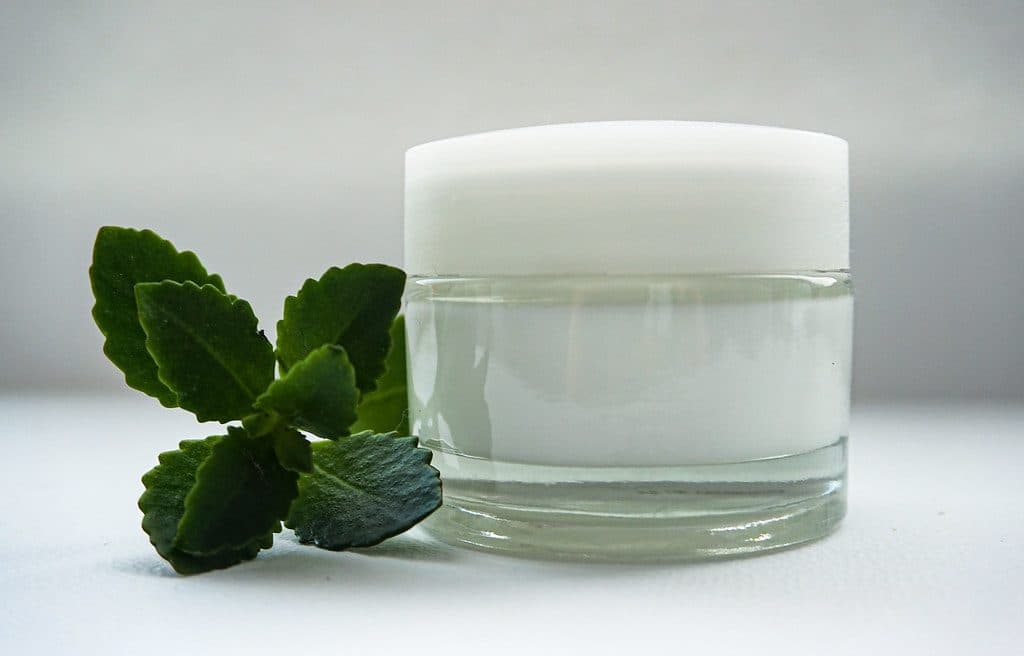
A photo of a jar shows packaging, not whether the cream is rich or whipped, greasy or quick to sink in. On camera a presenter can scoop it, show how it spreads across the cheek and neck, and talk about how her skin feels an hour later, which is the part buyers actually want to hear.
6 hooks for the first two seconds
- I turned 42 this year and this is the only night cream I finished to the bottom of the jar.
- Watch how fast this sinks in. No shine, no tacky layer, and it's a retinol cream.
- Honestly, I thought rich creams meant breakouts. This one changed my mind.
- Would you put a night cream on your neck? Because most people forget it.
- Same moisturizer, two sides of my face, one week. Let me show you the texture difference.
- My evening routine is three steps now, and this cream is the last one.
Ad angles that work for anti-aging creams
The age-matched presenter
Cast a presenter who visibly matches your buyer, not a 22-year-old with perfect skin. Have them say their age early and talk about what changed in their skin, like dryness or makeup settling into lines. Buyers trust a peer far more than a model.
Texture first
Open with a close shot of the cream in the jar, then a fingertip scoop and a slow spread on the back of the hand. Let the presenter describe it in plain words: whipped, balm, gel cream. Texture is the main purchase question for this category.
The routine slot
Show exactly where the cream fits: after serum, before sunscreen, or at night only. Walk through the steps at a bathroom sink in real light. This answers the layering question that stops many people from buying a new product.
Ingredient explained simply
Pick one hero ingredient such as retinal, peptides or ceramides and explain what it does in one sentence, with no medical language. Pair it with a practical tip, like starting a few nights a week. This positions the brand as honest rather than hyped.
Shots to film
- Macro of a fingertip scooping cream from the open jar, showing the peak it holds
- Cream spread on the back of the hand, then rubbed in to show how quickly it absorbs
- Presenter patting cream upward along the jaw and neck at a bathroom mirror
- Side-lit close-up of skin after application to show finish, dewy or matte
- Jar on a nightstand next to a phone and glasses, presenter reaching for it before bed
A 15 second script
- Hook (0-2s): I'm 44, and this is the night cream I keep repurchasing.
- Problem (2-5s): Most rich creams sat on my skin and made my foundation slide by noon.
- Demo (5-11s): This peptide cream is thick in the jar but melts in like this. Two pumps, face and neck, and it's gone in a minute.
- Call to action (11-15s): If your skin feels tight at night, try it for a month. Link is right here.
Platform notes
TikTok: Talk straight to camera at a bathroom mirror with natural light and no beauty filter. Keep it under 30 seconds and put your age or skin concern in the on-screen caption.
Instagram Reels: A calm night routine format works well here, with soft lighting and a clear texture close-up in the first three seconds. Use short captions since many viewers watch muted.
Meta feed ads: Use 4:5 framing so the face and jar both fill the screen. Burn in subtitles and lead with the texture demo, because the feed audience skews older and reads captions.
Mistakes to avoid
- Before and after claims that imply the cream reverses aging or removes wrinkles; ad platforms restrict this and cosmetic products cannot claim to change skin structure.
- Filters or beauty smoothing on the presenter's face, which makes any texture or result claim misleading.
- Medical words like heal, cure or treat, or saying it works like a prescription or injectable.
- Casting a presenter far younger than the buyer, which makes the whole ad feel irrelevant to them.
Where IntactShot fits
IntactShot is a UGC ad studio. If you have never made an ad, you start from an idea and get a finished, human looking video. If you make ads for a living, you can direct every detail of it, down to the last frame. Same studio, as deep as you want to go.
$5 for one video, plans from $29/month.
Questions
Can I show before and after results in anti-aging cream ads?
Be very careful. Meta and TikTok restrict before and after imagery for skin products, and implying the cream removes wrinkles can be treated as a drug claim. Focus on texture, feel and routine, and describe how skin feels rather than promising visible change.
What age should my UGC presenter be?
Close to your actual buyer, usually thirties to sixties for this category. A presenter who says their age and talks about their own skin is far more believable than a young model.
How long should the video be?
Fifteen to thirty seconds is a good starting range. The first two seconds need to show the cream or state the presenter's age, since that is what makes the right viewer stop.
Can an AI presenter hold and apply the cream?
An AI presenter can hold and show the jar and talk about it, which works for hooks and routine explainers. For close texture shots on real skin, a few real macro clips of the cream mixed in will help. IntactShot makes talking UGC ads where a presenter holds the product.