
UGC video ads for acne treatments
People shopping for acne care have usually tried several products already, so they buy on trust and on how a product fits into a routine they can actually keep. They want to know how it feels on irritated skin, whether it stings, flakes or pills under makeup, and how long someone stuck with it. A real person talking through their own routine answers those questions faster than an ingredient list.
Why acne treatments sell better on video
A photo of a tube or a pimple patch says nothing about texture, how thin the gel spreads, or whether a patch stays flat on the skin through the day. On camera, a presenter can apply the product to a clean face, show how it dries, and explain when in the routine it goes and what they pair it with.
6 hooks for the first two seconds
- Do you also pick at a spot and then regret it ten minutes later?
- I spent a year layering five actives and my skin hated every one of them.
- Watch how this patch sits flat even when I smile.
- Everyone says spot treatments burn. Here is what this one actually feels like going on.
- Night routine for a breakout, start to finish, under a minute.
- Same spot, two options: toothpaste trick or this. Let me show you the difference in how they go on.
Ad angles that work for acne treatments
The honest routine
Film the presenter doing their full evening routine and placing the product exactly where it fits. Keep it unglamorous: headband, bathroom light, real skin. This angle sells consistency and ease, which is what acne buyers care about most.
Gentle on sensitive skin
Lead with the fear of irritation, then show the texture close up and the presenter applying it without wincing. Talk about how it feels after a few minutes, not about results. Pair it with a moisturizer to show it plays well with others.
Patch under makeup
For pimple patches, show the presenter putting one on, then doing light concealer over it, then a close shot in daylight. The question being answered is can I wear this to work, so answer it visually.
Myth versus method
Have the presenter name one bad habit people use on breakouts, like drying a spot with harsh home remedies, then show the product as the calmer alternative. Keep the tone of a friend giving advice, not a clinic.
Shots to film
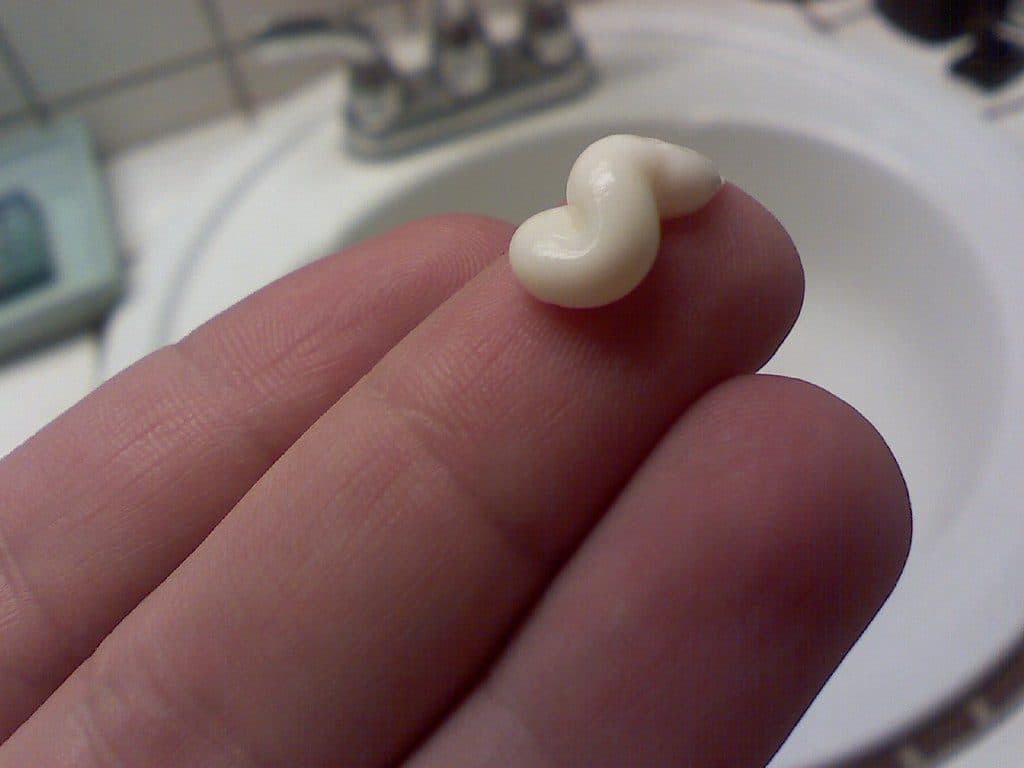
- Close up of the gel or cream squeezed onto a fingertip, showing consistency
- Presenter dabbing the product on a single spot in a bathroom mirror
- Macro of a pimple patch edge lying flat against the skin
- Presenter turning their face toward a window to show the finish in daylight
- Product placed in a lineup with cleanser and moisturizer on a sink counter
A 15 second script
- Hook (0-2s): I stopped attacking my breakouts and started doing this instead.
- Problem (2-5s): Every spot treatment I tried left my skin red and flaky for days.
- Demo (5-11s): This is a light clear gel, one dot right on the spot, it dries down in about a minute and I can put moisturizer over it.
- Call to action (11-15s): If your skin is sensitive too, tap the link and see the full routine.
Platform notes
TikTok: Bathroom mirror, natural light, no heavy filters; filters on skin content make viewers distrust everything else. Captions that name the step in the routine perform better than vague text.
Instagram Reels: A slightly cleaner routine video works here, with the product label readable in at least one frame. Keep it under 20 seconds and let the texture shot breathe.
Meta feed ads: Lead with a clear face and the product in hand in the first frame since many people watch with sound off. Avoid zoomed in blemish close ups as the opening frame; they can trigger review and turn people off.
Mistakes to avoid
- Do not claim the product cures, clears or permanently gets rid of acne; describe how it fits a routine and how it feels instead.
- Be careful with before and after images: ad platforms restrict them for personal health and appearance, and edited or cherry picked results are misleading.
- If the product contains an over the counter active like benzoyl peroxide or salicylic acid, keep claims within what the label allows and mention patch testing.
- Do not shame skin or use language that makes viewers feel bad about how they look; platforms review this and it pushes people away.
Where IntactShot fits
IntactShot is a UGC ad studio. If you have never made an ad, you start from an idea and get a finished, human looking video. If you make ads for a living, you can direct every detail of it, down to the last frame. Same studio, as deep as you want to go.
$5 for one video, plans from $29/month.
Questions
Can I show before and after results in acne ads?
Platforms restrict before and after imagery for skin and health topics, and even when allowed it invites scrutiny. A safer approach is to show the routine and the product texture, and let reviews carry results. If you use any comparison, make sure it is genuine and unedited.
What length works best for acne care UGC ads?
Most acne ads land between 15 and 30 seconds. Short versions work for a single product demo, while longer ones suit a full routine. Test both and keep the product visible within the first few seconds.
How many creatives should I test?
Start with a few distinct angles, such as routine, sensitive skin and under makeup, rather than many versions of one idea. Once one angle wins, make new hooks for it. Changing the angle teaches you more than changing the background.
Can an AI presenter make acne ads?
IntactShot makes talking UGC ads where a presenter holds and talks about your product. For acne care, keep the script focused on texture, routine and feel rather than promised results, and make sure the claims match your label.