
UGC video ads for makeup products
People buy makeup based on how it looks on a face, not how it looks in a compact. Shade, finish and wear time are the three questions every shopper has, and a flat product photo answers none of them. Video lets a real-looking presenter apply the product and show the result under normal light.
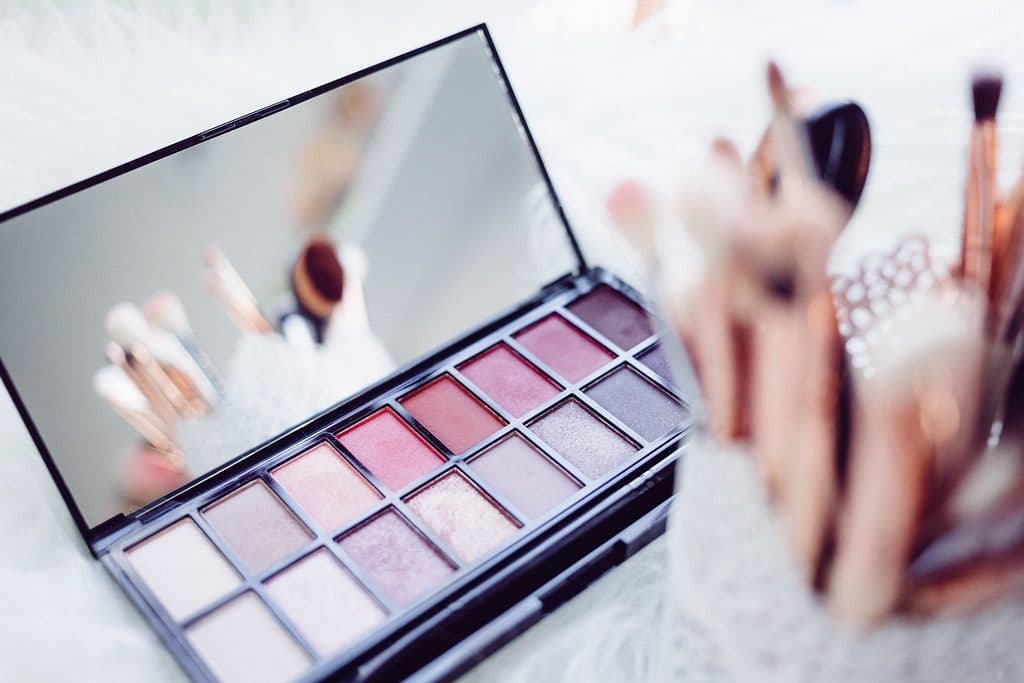
Why makeup products sell better on video
A photo of a foundation bottle or eyeshadow pan cannot show blendability, coverage or whether the finish reads dewy or matte on skin. A presenter on camera can apply half the face, turn toward a window, and let the viewer judge the difference themselves.
6 hooks for the first two seconds
- Is this the only concealer that does not crease under my eyes by lunch?
- I put this on at 7am and I am showing you my face at 6pm, no touch ups.
- You think a cream blush will look greasy on oily skin. Watch this.
- One side is my old foundation, the other side is this one. Guess which.
- My whole five minute face uses three products, and this is the first one.
- I almost returned this palette because the shades looked too dark in the pan.
Ad angles that work for makeup products
Half face comparison
Apply the product to one side of the face only and leave the other bare or with a previous product. Hold the camera steady at eye level in window light so the difference is visible without filters. Let the presenter point at the specific area (under eye, cheek, lid) they want the viewer to look at.
End of day wear test
Open with a morning application clip, then cut to the same face after a full day. Show the T zone, the lid crease and the lip line up close. This answers the wear time question without the presenter needing to claim anything.
Shade match for real skin tones
Swatch two or three neighboring shades on the jaw and let the presenter pick the one that disappears. Name the undertone they are matching in plain words. This helps shoppers who are scared of ordering the wrong shade online.
Fast routine
Show a complete look in under ten seconds of screen time using the product as the anchor. Keep every step visible and in order so the viewer can copy it. Busy shoppers respond to a routine they can actually repeat before work.
Shots to film
- Jawline swatch of three foundation shades in daylight from a window
- Close up of a brush picking up powder and the tap off
- Half face reveal with the presenter turning slowly from left to right
- Macro of an eyeshadow swatch on the back of the hand, then blended with a finger
- Mirror shot of the presenter checking the lid crease at the end of the day
A 15 second script
- Hook (0-2s): This is my bare skin, and this is ten seconds later.
- Problem (2-5s): Every foundation I tried either looked flat or slid off my nose by noon.
- Demo (5-11s): This one is a light serum foundation. Two pumps, pressed in with fingers, and look, you still see skin texture but the redness is gone.
- Call to action (11-15s): There are twenty shades with a matching guide on the site. Find yours from the link.
Platform notes
TikTok: Talking straight into a phone camera with the face filling most of the frame works best. Use on screen text to name the shade so viewers can comment with their own.
Instagram Reels: Reels viewers expect cleaner light and a slightly more polished look. Keep the cut between before and after as the visual peak around second three or four.
Meta feed ads: Many feed viewers watch muted, so burn in captions and add a shade name label on every swatch. A 4:5 crop keeps the face large in the feed.
Mistakes to avoid
- Beauty filters or heavy smoothing on the face. Viewers notice, and platforms may treat altered results as misleading.
- Claims like hypoallergenic, non comedogenic or safe for sensitive skin unless the brand has testing to back them.
- Ring light only setups that wash out color. Shade accuracy matters more than glow.
- Showing a full glam look when the product is one item. Keep the focus on what is actually being sold.
Where IntactShot fits
IntactShot is a UGC ad studio. If you have never made an ad, you start from an idea and get a finished, human looking video. If you make ads for a living, you can direct every detail of it, down to the last frame. Same studio, as deep as you want to go.
$5 for one video, plans from $29/month.
Questions
How many makeup ad creatives should I test at once?
Start with three to five versions that change the hook and the opening visual, not just the caption. Makeup performance often depends on which face and skin tone is on screen, so vary the presenter too. Keep the ones that hold attention past the first few seconds and iterate on those.
Can an AI presenter show makeup on their face?
Showing the effect on a generated face is risky because viewers cannot tell what is real, and it can mislead them about the result. A safer use is a presenter holding the product, showing the packaging and talking about it. IntactShot makes talking UGC ads where a presenter holds the product, which fits that style.
What length works for makeup UGC ads?
Fifteen to thirty seconds covers a hook, a quick application and the result. Tutorials can run longer organically, but paid ads tend to need the payoff early. Put the visual result in the first five seconds whenever possible.
Should I show many shades or one?
One ad per shade group is usually clearer than one ad with every shade. Shoppers want to see someone who looks like them. Separate ads also tell you which skin tones are buying.